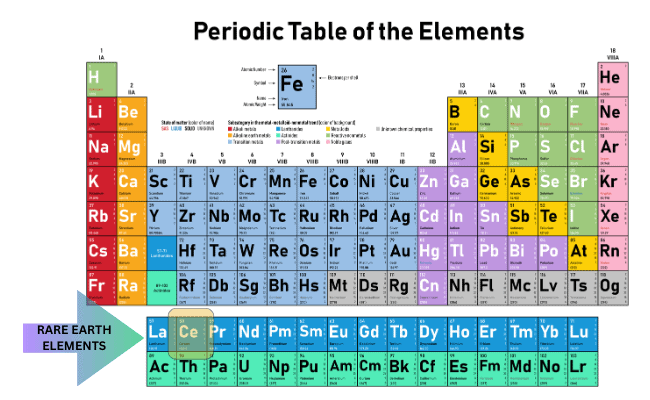

Neodymium magnets—also known as NdFeB or Neo magnets—are the most powerful commercially available rare earth magnets. Used across industries from motion control to sensors to magnetic assemblies, their strength and versatility make them a go-to solution for demanding applications.
But not all neodymium magnets are created equal. Understanding grades is essential for selecting the right material for your needs.
What Does Neodymium Magnet Grade Mean?
Each neodymium magnet grade (such as Neo3525 or Neo4020) reflects a unique combination of magnetic performance and temperature limits. The key values represented in Adams’ material grade chart include:
- Br (Residual Induction): Indicates the magnetic field output of the material. Higher Br means higher magnetic flux.
- Hci (Intrinsic Coercive Force): Resistance against demagnetization. Critical for high-temperature environments.
- BHmax (Maximum Energy Product): A measure of the total magnetic energy available. It helps define the optimum operating point of the magnet.
- Max Operating Temperature: The maximum operating temperature is an approximate upper limit assigned to each magnet grade to indicate the highest temperature at which the magnet can typically function without significant, permanent performance loss. Although it is not an exact cutoff—real-world conditions can shift the value slightly—it serves as a reliable rule of thumb for most applications. When a magnet is heated above this recommended temperature, it will begin to incur excessive irreversible reductions in magnetization.
- Example: Neo4020 offers Br of 12.5–12.8 kG, Hci ≥ 20 kOe, BHmax of 38–41 MGOe, and operates reliably up to 150°C (302°F). This makes it ideal for motors, actuators, and precision sensors where space is tight and temperatures run below 150°C.
Temperature Designations in Neodymium Magnet Grades
Grades often include a suffix indicating maximum operating temperature:

These suffixes help engineers and purchasing managers quickly identify the right material based on their thermal operating range.
Selecting the Right Grade for Your Application
Use the grade that provides enough magnetic output for your application without exceeding your cost, size, or thermal limits. Here are a few quick guidelines:
- Neo4212 (Standard, Br ~13.0 kG): Best for compact devices and sensor applications where temperature stays under 80°C.
- Neo3525 (UH-rated): A strong performer with 180°C rating, great for demanding industrial uses.
- Neo3833 or Neo3034 (AH-rated): For extreme temperature environments like turbines or downhole tools.
Why Choose Adams Magnetic Products?
At Adams, we offer a wide range of neodymium magnet grades and provide engineering guidance to help you select the best one. Whether you need magnets for prototyping or production volumes, we offer:
- Magnet characterization and design optimization services
- Custom magnet assemblies
- Material traceability and DFARS compliance options
Ready to Select the Right Magnet?
📩 Contact us for help evaluating your application needs or download our neodymium material chart to explore available grades.

Related Posts