Why Ceramic (Ferrite) Magnet Prices Are Rising—and What It Means for Engineers and Buyers
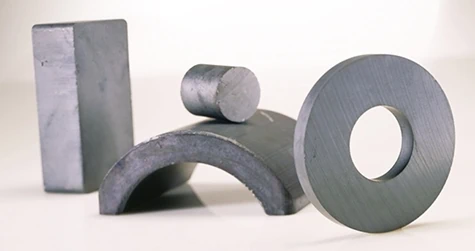
Strontium carbonate shortages and tightening environmental regulations are pushing ferrite magnet costs higher. Here’s what’s driving the change, why it’s likely to persist, and how to protect your supply chain.
Ferrite magnets (also known as ceramic magnets) have long been considered the most stable, cost-effective option in the permanent magnet landscape. But over the past 12–18 months, that assumption has been challenged. Rising costs for strontium ferrite materials, driven by raw material disruptions and structural supply constraints, are now impacting pricing, availability, and lead times across the industry.
For engineers and purchasing managers, understanding what’s happening and how to respond has become critical. This article breaks down the root causes, explains why this isn’t just a short-term blip, and outlines the practical steps you can take now.
What’s Driving the Increase in Ferrite Magnet Costs?
At the center of the issue is strontium carbonate, the primary raw material used in strontium ferrite magnets. Three converging pressures are squeezing supply and pushing up strontium carbonate prices.
- Raw Material Supply Disruptions
Strontium carbonate is derived from celestite ore, and global supply has tightened significantly. Disruptions in celestite mining, geopolitical instability in key export regions, and reduced availability of high-quality deposits have all contributed. Because ferrite magnets depend heavily on this input material, any disruption translates almost immediately into price increases upstream and down.
- Environmental Regulations Curtailing Production Capacity
Stricter environmental regulations—particularly in China, which dominates global ferrite production—have forced shutdowns of older processing facilities, raised compliance and operating costs, and reduced overall output. Critically, these changes represent a long-term structural shift in how ferrite materials are produced, not a temporary pause.
- Compounding Supply Chain Pressures
On top of the material and regulatory issues, broader supply chain volatility is amplifying the problem. Transportation and logistics costs remain elevated, energy prices have increased manufacturing overhead, and consolidation among suppliers has reduced the flexibility buyers once relied on.
Together, these pressures are creating a tighter, less forgiving supply chain for ceramic magnet materials.
Why This Matters More Than You Might Expect
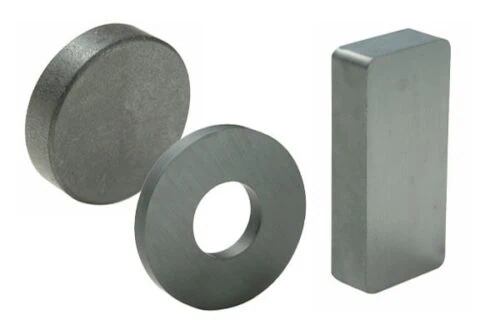 Ferrite magnets have traditionally been selected for three reasons: low cost, stable supply, and adequate performance for high-volume applications. Today, two of those advantages are under pressure simultaneously.
Material costs are rising faster than many procurement budgets anticipated. Lead times are becoming less predictable, complicating production scheduling. And the budget assumptions baked into designs from even 12 months ago may no longer hold.
For purchasing managers, this introduces real supply risk. For engineers, it may affect design decisions that were previously considered safe—particularly in cost-sensitive, high-volume applications where ferrite was chosen specifically for its price stability.
What Engineers Should Be Thinking About
If ferrite (ceramic) magnets are part of your current design, now is a good time to revisit two areas:
Design Flexibility
Review whether tolerances or performance requirements could be adjusted to broaden your sourcing options—even modest changes can open up additional suppliers. It’s also worth evaluating magnet geometry and material usage: optimizing the shape or reducing the volume of magnet material per unit can meaningfully reduce exposure to strontium carbonate price swings.
Ceramic Magnet Alternatives
In some applications, alternative magnetic materials—such as alnico or certain grades of bonded magnets—may offer more stable sourcing at comparable performance levels. Hybrid approaches that combine magnet types within a single assembly are also worth evaluating, especially where ferrite handles the bulk of the work and a smaller high-performance magnet fills a specific gap.
What Purchasing Managers Should Be Doing Now
1. Engage Earlier with Suppliers
Lead times and pricing are shifting quickly. Early communication with your magnet suppliers—before you have a firm order—gives you more options. It creates the opportunity to lock in supply, identify risks before they impact production, and negotiate more favorable terms when the market tightens.
2. Reevaluate Your Cost Assumptions
Ferrite magnets are no longer immune to volatility. Procurement budgets and cost models should be updated to reflect potential price fluctuations and longer procurement timelines. Building in a buffer—rather than assuming last year’s pricing holds—will reduce the risk of mid-project cost surprises.
3. Diversify Your Supply Strategy
Relying on a single source or a single region increases your exposure when conditions shift. Consider qualifying secondary suppliers now, while you have time to evaluate them carefully. For critical components, strategic stocking—carrying more inventory than you would in a stable market—can provide a meaningful buffer against lead time disruptions.
Looking Ahead: A Structural Shift, Not a Short-Term Spike
While some near-term price volatility may stabilize, the underlying drivers—resource concentration, regulatory pressure, and sustained global demand for permanent magnets—are long-term in nature. That means ferrite magnet sourcing will likely remain more dynamic, more strategic, and more dependent on strong supplier partnerships than it has been historically.
The buyers and engineers who adapt their processes now—updating cost models, building supplier relationships, and evaluating design flexibility—will be better positioned than those who wait for conditions to return to what they were.
Frequently Asked Questions
Are ferrite magnet prices expected to drop?
Some short-term volatility may ease, but the structural factors driving higher costs—regulatory pressure, resource concentration, and logistics complexity—are not going away quickly. Planning around sustained higher prices is the more prudent approach.
What are the main alternatives to strontium ferrite (ceramic) magnets?
Depending on the application, alternatives include alnico magnets, neodymium (NdFeB) magnets, samarium cobalt magnets, and various bonded magnet grades. Each has different performance profiles, cost structures, and sourcing considerations. The right alternative depends heavily on your specific performance requirements and volume.
How far in advance should I be engaging suppliers?
In the current market, engaging 8–12 weeks ahead of your expected need—rather than the traditional 4–6 weeks—is a reasonable starting point for standard ferrite grades. For custom geometries or tight-tolerance parts, earlier is better.
How Adams Magnetic Products Can Help
Navigating these changes requires more than just sourcing—it requires insight and a supplier who understands your application.
- Evaluate ferrite and ceramic magnet alternatives based on your performance requirements and supply constraints
- Identify design or sourcing changes that reduce your cost exposure
- Provide reliable supply and early-warning visibility through a changing market
Contact our team to discuss your current magnet sourcing strategy and find out where you may have risk.
Final Thoughts
Ferrite (ceramic) magnets remain a highly valuable solution for a wide range of applications—but the market around them is evolving. Understanding the drivers behind rising strontium ferrite costs can help you make better decisions, reduce risk, and keep your projects on track.

Related Posts