Why Early Material Selection Prevents Expensive Redesigns Later
Product development rarely follows a perfectly straight path. Even well-planned projects encounter challenges as requirements evolve, testing reveals new information, or operating conditions become more clearly defined.
When redesigns happen, many teams assume the issue originated in manufacturing or assembly. In reality, some of the most costly redesigns trace back much earlier in the process, to magnet material selection decisions that didn’t fully account for the application’s real-world requirements.
Material Selection Impacts More Than Magnetic Performance
When selecting a magnetic material, it’s natural to begin with performance requirements. Will the magnet generate the necessary field strength? Does it fit within the available space? Can it deliver the desired force or sensing performance?
Those are important questions, but they’re only part of the evaluation process. Magnet material selection also influences:
- Manufacturability and assembly considerations
- Material availability and sourcing stability
- Lead times and procurement flexibility
- Resistance to environmental conditions
- Long-term reliability and service life
- Cost of qualification and validation
A magnet that performs well in a laboratory environment may not be the best choice if it creates sourcing challenges, struggles with operating temperatures, or introduces unnecessary complexity during production. The earlier these considerations are evaluated, the easier they are to address. Once designs move into prototyping, validation, or production planning, material changes become significantly more disruptive.
The Operating Temperature Example
One of the most common areas where material selection issues emerge is operating temperature.
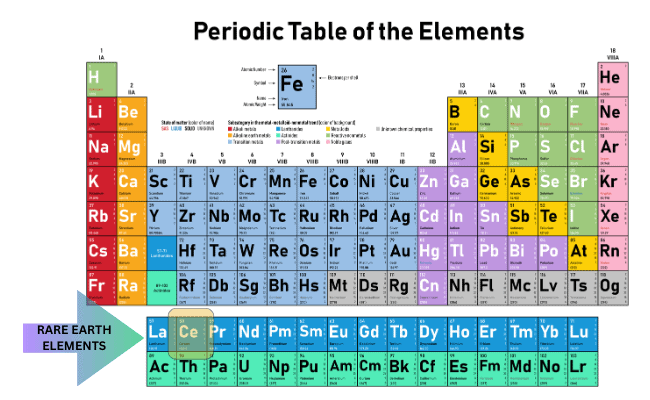
Neodymium magnets are often selected because they provide exceptional magnetic strength in a relatively compact package. However, not all neodymium grades perform the same way under elevated temperatures.
A design team may initially select a grade such as 5211 because it satisfies magnetic performance requirements during early evaluation. On paper, the decision appears sound. Later in development, additional information may reveal that the product will regularly operate in a higher-temperature environment than originally anticipated. This can be due to internal heat generation, ambient conditions, thermal cycling, or changes in system requirements. At that point, a higher-temperature grade such as 5217 may be more appropriate.
While the difference may seem minor, identifying that requirement late can create a chain reaction throughout the project. The team may need to:
- Reevaluate material specifications
- Build and test new prototypes
- Repeat portions of validation testing
- Update documentation and drawings
- Coordinate new sourcing requirements
- Adjust production timelines
None of these activities improve the product’s functionality. They simply consume time and resources to correct an issue that a more comprehensive material review could have identified earlier. This example highlights an important reality: magnet grades aren’t interchangeable. A material that performs well in one operating environment may be a poor fit in another.
The Cost of Discovering Requirements Too Late
Late-stage material changes often create costs that extend well beyond the replacement component itself.
Additional testing may be required to verify performance. Engineering resources may be diverted toward redesign efforts rather than new development work. Procurement teams may need to identify new suppliers or adjust purchasing plans. Production schedules may be delayed while revised components move through qualification. In regulated or highly controlled industries, material changes can also trigger documentation reviews, approval processes, and customer notifications.
These costs are often difficult to predict during the early stages of development, which is why teams frequently underestimate them. The original design decision wasn’t unreasonable. Critical operating requirements simply weren’t fully understood when the decision was made.
Why Early Engineering Collaboration Matters
The most effective way to reduce redesign risk is to evaluate material requirements as early as possible. This doesn’t necessarily require finalizing every design detail before development begins. Rather, it involves asking the right questions early enough to influence decision-making before changes become expensive.
For magnetic components, that evaluation may include:
- Operating temperature ranges
- Environmental exposure conditions
- Performance expectations over time
- Manufacturing and assembly requirements
- Sourcing considerations and availability
- Long-term reliability goals
An experienced magnetics partner can help identify factors that may not be immediately obvious during the initial design phase. In many cases, potential issues can be uncovered before prototypes are built, reducing the likelihood of discovering critical limitations later in the project. Early collaboration also helps ensure that material recommendations are based on actual operating conditions rather than assumptions or nominal specifications.
Looking Beyond the Initial Specification
Successful product development is about selecting a material that will continue to perform throughout the life of the product. Magnet material decisions affect more than magnetic output. They influence manufacturability, sourcing flexibility, environmental performance, reliability, and the overall success of the program.
The most expensive material decision is often not the wrong one, but the one discovered too late. By evaluating operating conditions, environmental requirements, and long-term performance expectations early in the design process, engineering teams can reduce risk, avoid unnecessary redesigns, and improve the likelihood of a successful product launch.
At Adams Magnetic Products, these conversations often begin long before production. Our engineering support team works with customers to evaluate application requirements early, helping identify potential risks before they become costly changes later in development.
Working through a magnet material decision for an upcoming design? Contact our engineering support team to review your application requirements, or request a quote for your project.
Related Posts