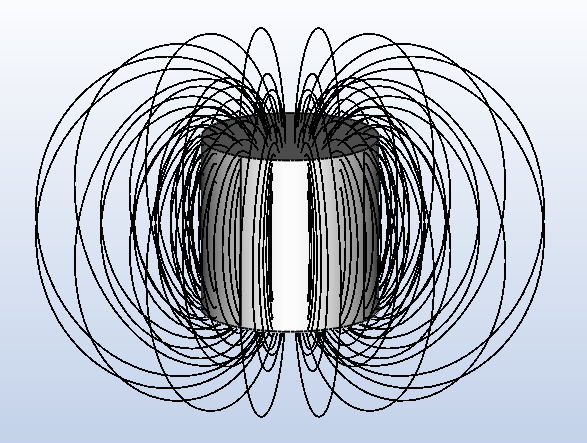
Magnetic Circuit Analysis and Finite Element Analysis (FEA): Advancing Magnetic Product Design
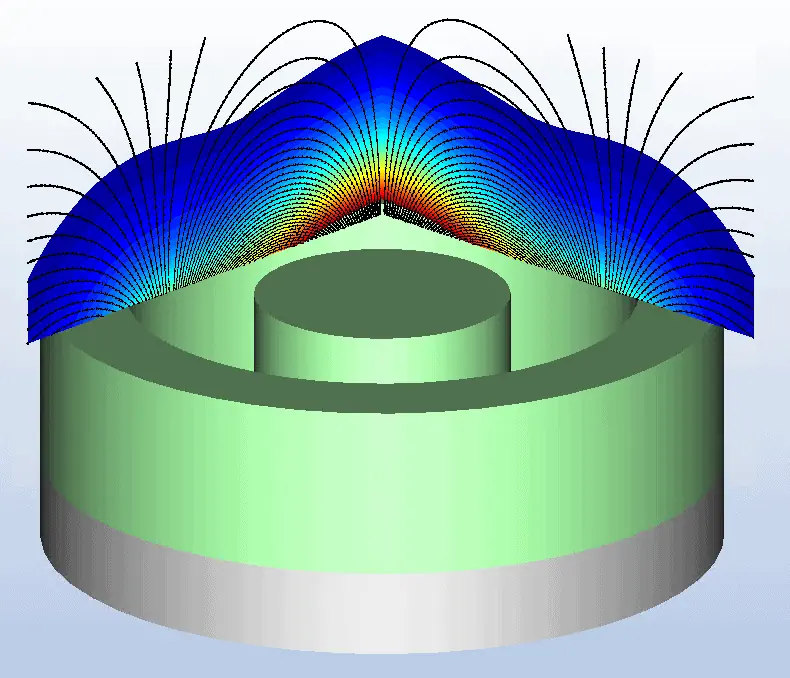
At Adams Magnetic Products, precision and innovation drive our approach to magnetic design to satisfy our customers. Leveraging our expertise in Magnetic Circuit Analysis and Finite Element Analysis (FEA), we create magnetic products that excel in efficiency, reliability, and performance. Using state-of-the-art tools, we continue to deliver exceptional solutions tailored to meet the most demanding requirements.
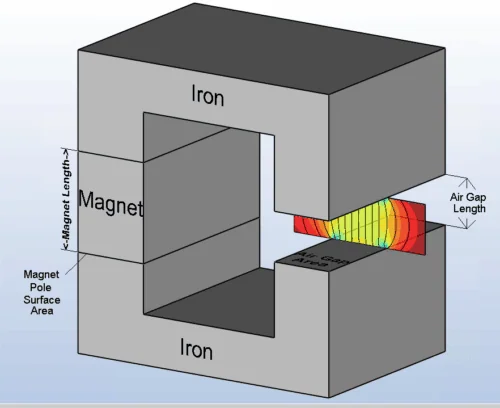
Understanding Magnetic Circuit Analysis
Magnetic Circuit Analysis is a fundamental tool for designing magnetic devices. It offers detailed and unique insights into how the magnetic parameters interact in various situations—much like electrical circuit analysis in electronics. By probing the connection between the materials, their geometries, the magnetic flux, magnetomotive force (MMF), and magnetic reluctance, our skilled engineers design devices that meet our customers’ requirements with a minimum of magnetic material and cost. Magnetic Circuit Analysis enables engineers to:
- Predict Performance: Evaluate how material properties and geometry influence magnetic flux.
- Optimize Designs: Identify alternate configurations to boost efficiency while minimizing losses.
- Troubleshoot Challenges: Detect and reduce flux leakage and other issues to make the final product more robust.
This process provides the groundwork for developing components, such as motors, actuators, and sensors for demanding applications.
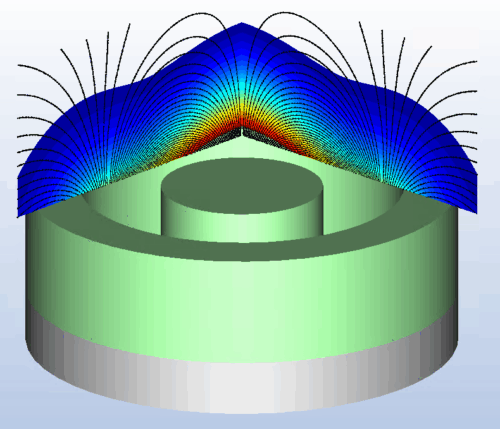
What is Finite Element Analysis (FEA) in Magnetics?
Finite Element Analysis (FEA) is a computer modelling method that enables the design and analysis of complex magnetic systems. Simply put, it allows us to visualize the magnetic flux in a magnetic device. The FEA process divides magnetic structures into smaller, manageable elements to solve the basic magnetic equations, hence the need for computers to do this work. FEA empowers engineers to predict the behavior of a magnetic device without making the device and to evaluate alternative designs easily. This allows us to accurately analyze and solve challenges involving:
- Complex Geometries: Model intricate designs that are beyond the limitations of traditional methodologies, and optimize the configuration and materials for the best possible results.
- Material Properties: Simulate complicated non-linear magnetic behaviors, including saturation and hysteresis.
By bridging theoretical principles with practical application, FEA ensures the best possible performance in real-world conditions.
Benefits of Using FEA in Magnetic Circuit Design
Incorporating FEA into the design process offers significant value to our customers, improving both the development cycle and end-product quality. Key benefits include:
- Enhanced Accuracy: Provides precise insights into magnetic fields, minimizing design errors.
- Cost Efficiency: Eliminates the need for extensive physical prototyping, saving time and resources.
- Optimized Designs: Facilitates iterative improvements to achieve peak performance and functionality.
- Risk Mitigation: Identifies potential issues—such as flux leakage or hotspots—early in the design process to ensure reliability and to avoid future issues.
These advantages establish FEA as an essential tool for developing cutting-edge magnetic devices, from high-efficiency motors to advanced sensors.
Applications in Magnetic Product Development
Adams applies both Magnetic Circuit Analysis and FEA to design solutions across a broad spectrum of applications, including:
- Electric Motors: Achieving optimized torque output and energy efficiency.
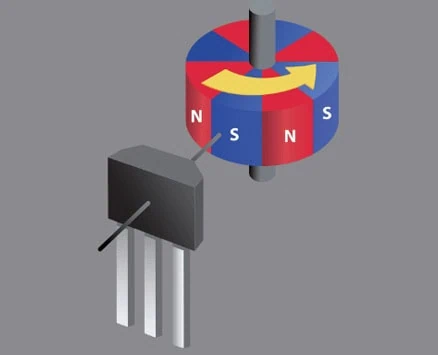
- Sensors and Actuators: Refining magnetic properties to enhance accuracy, sensitivity, and responsiveness.
Integrating FEA simulations into our workflow expedites product development timelines without compromising quality or durability.
Expertise and Continuous Innovation
At Adams, we combine state-of-the-art simulation tools, like FEA, with decades of experience in magnetic circuit design to deliver unparalleled solutions. Our approach includes:
- Iterative Design Refinement: Utilizing FEA-driven simulations to fine-tune designs before physical prototyping.
- Tailored Solutions: Collaborating closely with clients to address unique functional and application-specific requirements.
- Commitment to Progress: Staying at the forefront of advancements in simulation technologies and material science to continually enhance our offerings.
This dedication to precision and innovation has made us a trusted partner in delivering magnetic solutions that excel in performance and dependability.

The Future of Magnetic Design
The landscape of magnetic design is evolving rapidly, with innovations such as AI-driven simulations and multi-physics modeling, reshaping the possibilities of circuit design. At Adams, we are dedicated to leveraging these advancements as we push the boundaries of performance and efficiency, ensuring our clients maintain a competitive edge in their industries.
Partner with us to experience state-of-the-art magnetic engineering and expertise. Get in touch today to learn how we can help elevate your next project with dependable, high-performing magnetic solutions.

Related Posts