
Sustainability is no longer a future goal; it’s a present-day priority for manufacturers, engineers, and procurement teams alike. As companies look for ways to reduce environmental impact while maintaining performance and efficiency, magnets are playing an increasingly important role behind the scenes.
From improving energy efficiency to enabling electrification and supporting recycling efforts, magnetic materials are helping industries move toward more sustainable solutions, often in ways that aren’t immediately visible but are highly impactful.
Why Magnets Matter for Sustainability
Magnets are essential components in countless industrial and commercial applications, including motors, sensors, automation systems, and retail displays. Their unique properties allow for contactless operation, improved efficiency, and simplified designs—all of which contribute to more sustainable products and processes.
By optimizing performance while reducing energy use and material waste, magnets offer a practical path toward sustainability without compromising functionality.
Improving Energy Efficiency
Energy efficiency is one of the most direct ways magnets contribute to sustainability.
Permanent magnets are widely used in motors, actuators, and control systems, where they help reduce energy loss and improve overall system performance. More efficient motors require less power to operate, significantly lowering energy consumption over time, especially in high-use industrial environments.
In applications such as industrial automation and motion control, even small efficiency gains can translate into meaningful reductions in energy usage and operating costs.
Enabling Electrification and Clean Energy
Magnets are a foundational technology in many of today’s clean energy and electrification systems.
They are critical components in:
- Electric vehicles (EVs)
- Wind turbines
- Industrial automation systems
- Energy-efficient appliances
In these applications, magnets help convert electrical energy into motion (and vice versa) with high efficiency and reliability. Their role in enabling electrification makes them an important contributor to reducing greenhouse gas emissions and supporting the global transition to cleaner energy sources.
Supporting Recycling and a Circular Economy
 As sustainability efforts evolve, there is increasing focus on reducing reliance on newly mined raw materials—particularly rare earth elements used in high-performance magnets.
Recycling magnets from end-of-life products offers a promising path forward. Recovering and reusing these materials can significantly reduce environmental impact compared to primary production, while also helping to conserve valuable resources.
In addition to environmental benefits, recycling supports supply chain resilience by reducing dependence on constrained or geopolitically sensitive raw material sources.
Reducing Material Waste Through Smarter Design
Magnets can also contribute to sustainability by simplifying product design and reducing material usage.
In certain applications, magnetic solutions can:
- Replace mechanical fasteners
- Enable reusable components
- Reduce assembly complexity
- Minimize wear and tear from friction-based systems
These advantages can help reduce waste during both manufacturing and product lifecycle use, while also improving serviceability and longevity.
Designing Magnetic Solutions for Sustainability
Sustainability doesn’t just come from materials—it starts with design.
Engineers can take steps to improve environmental outcomes by:
- Selecting the appropriate magnet material and grade for the application
- Optimizing magnet size and performance to avoid overdesign
- Designing assemblies for easier disassembly and recycling
- Reducing reliance on adhesives or permanently bonded components when possible
Thoughtful design decisions can have a lasting impact on both product performance and environmental footprint.
Moving Toward More Responsible Sourcing
Sustainability also includes how materials are sourced.
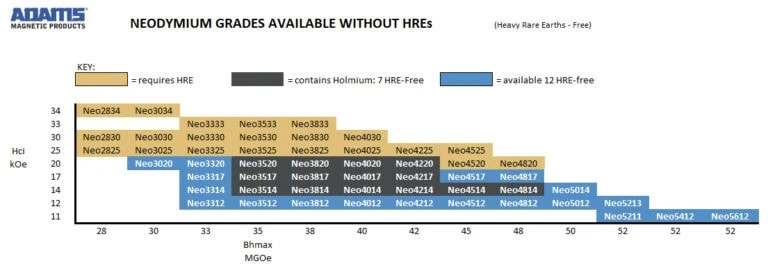
With growing awareness around the environmental and geopolitical challenges associated with rare earth mining, many manufacturers are exploring alternative sourcing strategies and rare-earth-free options where feasible.
Working with experienced suppliers can help companies navigate these considerations—balancing performance requirements with evolving sustainability and supply chain goals.
——-
Magnets may be small components, but their impact on sustainability is significant.
By improving energy efficiency, enabling clean energy technologies, supporting recycling efforts, and simplifying product design, magnets are helping industries reduce their environmental footprint in practical and measurable ways.
As sustainability continues to shape the future of manufacturing, magnetic solutions will remain a key part of the conversation—quietly powering progress behind the scenes.

Related Posts