About Neodymium Magnets and Their Applications
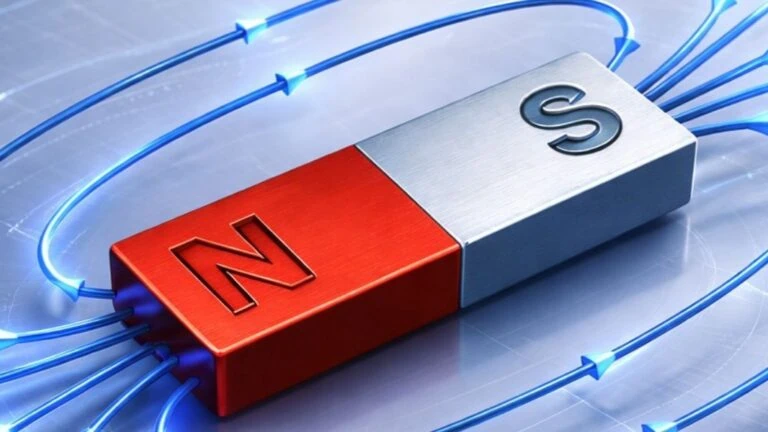
Neodymi-what?! If you’re browsing our website, you undoubtedly have an interest in magnets, but you might not have heard of neodymium rare earth magnets. A neodymium magnet is the strongest known type of permanent magnet, and it’s one we supply for a variety of industrial and commercial uses here at Adams Magnetic Products. Let’s dive in a little deeper and learn more about these exceedingly strong magnets and how they can be used.
What Are Neodymium Rare Earth Magnets?
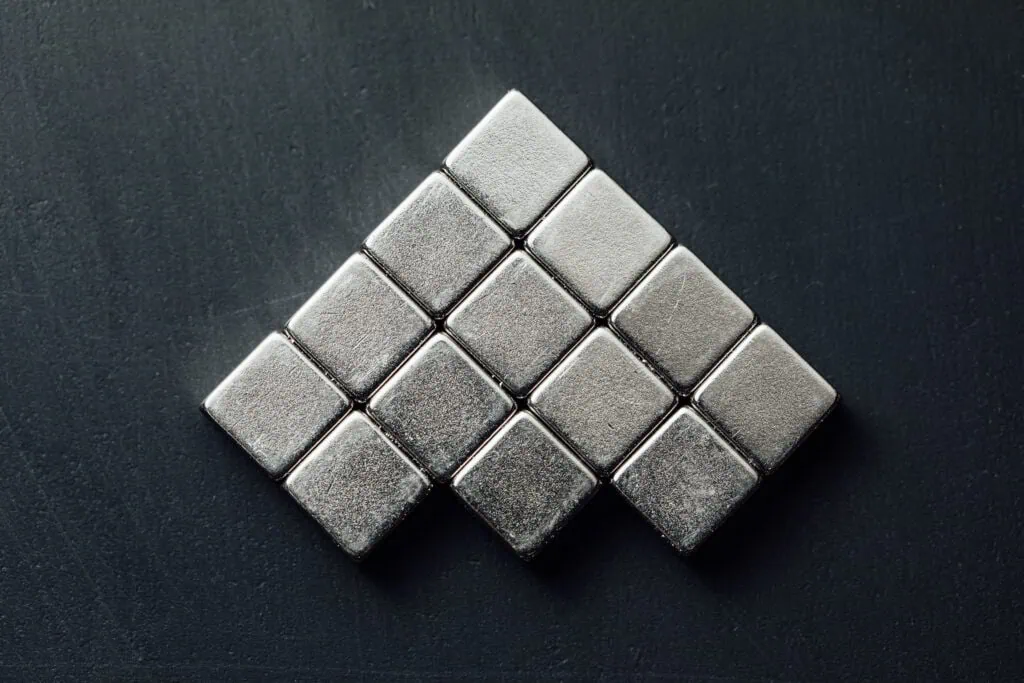
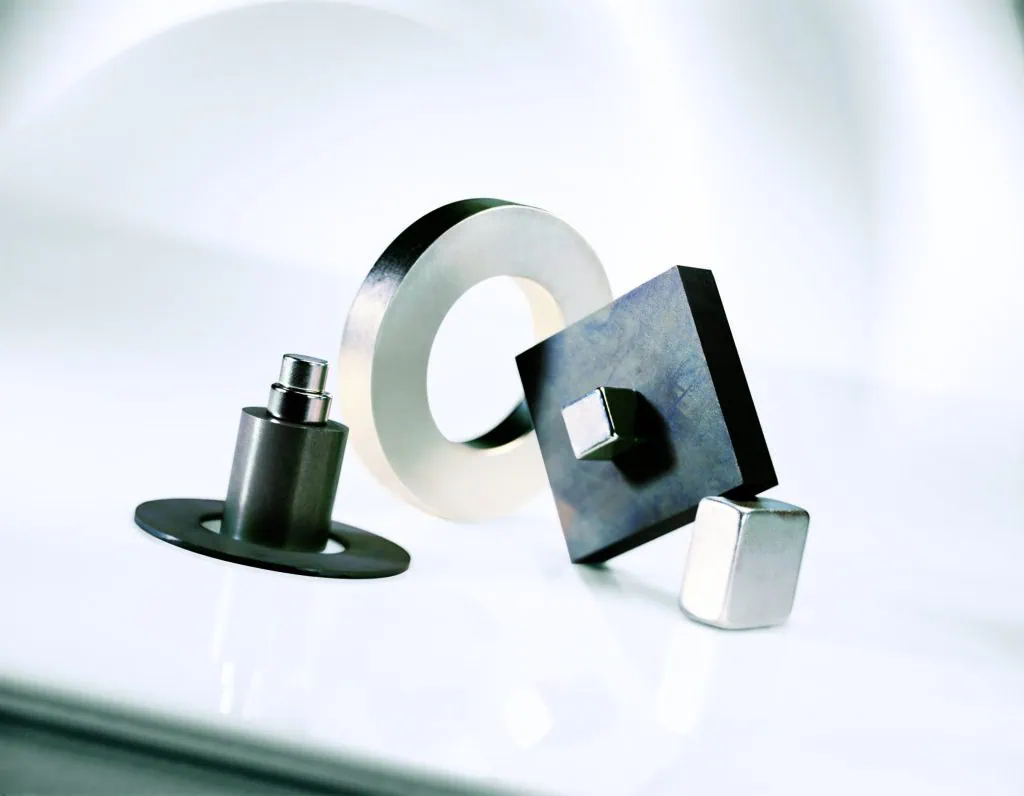
These are not your average refrigerator magnets! Neodymium magnets are the strongest permanent magnets available and, even if you’ve never heard of them before, you probably use them every day. They’re sometimes called NdFeB, or Neo magnets, and despite being so strong, they’re also lightweight, which is why they’re popular for a wide variety of applications. It’s hard to believe, but without this type of rare earth magnet, many of the technological advances that have taken place over the past few decades would not have been possible!
How Strong Are Neodymium Magnets?
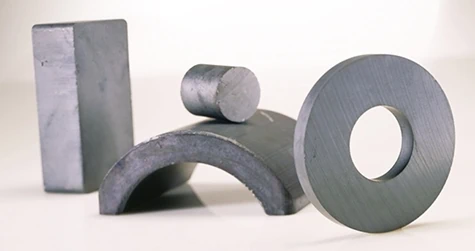
Very strong. They will amaze you! A 2-gram (0.07 ounce) neodymium magnet that measures 8 millimeters (0.315 inches) in diameter and 5 millimeters (0.197 inches) long generates a force of over 1700 grams (3.75 pounds). They’re so strong that they have replaced other types of magnets in many applications. For example they are over ten times stronger than ceramic magnets, so you might replace a ceramic magnet with a much smaller neodymium magnet and generate the same (or more!) holding force. Beware — they’re also so strong that even small neodymium magnets can cause bodily harm. We’ve even heard of larger neos breaking bones. Handle with care! You can find more details about the strength in gauss or pounds of holding force of specific magnets using our magnet calculator tools.
What Are Neodymium Magnets Made Of?

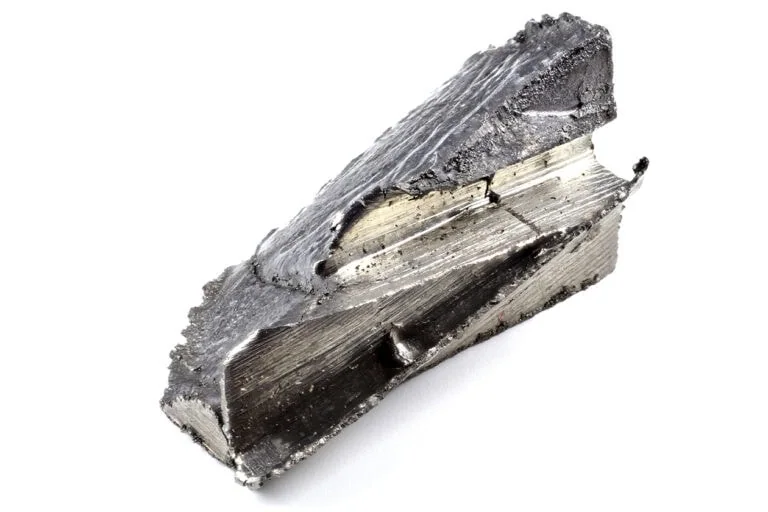
Neodymium magnets are made primarily from an alloy of neodymium, iron, and boron. The exact composition can vary depending on the strength needed and what that magnet is being used for. There are two main manufacturing types for neodymium magnets: sintered and bonded.
Sintered neodymium magnets are made by heating the alloy components in a furnace, then this mixture is cast into molds and cooled to form ingots which are ground into a fine powder and pressed into molds. The molds of powder are sintered to become dense blocks. (Sintering is the process of compacting and forming a solid mass of material by heat or pressure without melting it to the point of liquefaction.) The material is cut into its final shape, coated or plated, and then magnetized.
Bonded neodymium magnets combine neodymium alloy powder with a polymer binder. The components are pressed or extruded to make more complex shapes and magnetization powders than are typically available in sintered magnets.
What Are Neodymium Magnets Used For?

Since their invention in the early 1980s, a wide range of industries have found uses for these super strong magnets. If you’re reading this on your computer, you’re using a neodymium magnet right now! Some applications include:
- Hard disk drives – A hard disk has tracks and sectors that contain magnetic cells; these cells are magnetized when data is written to the drive.
- Microphones, headphones, and loudspeakers – Current-carrying coils are used with permanent magnets to convert electrical energy into mechanical energy, changing the pressure of the surrounding air to produce sound.
- Magnetic hall effect sensors – popular for their versatility in sensing position, velocity, and/or direction.
- Dentures – To keep dentures securely in place, tiny neodymium magnets are used. Actually, neodymium magnets are used in several medical devices. Read more about neodymium magnets in medical applications.
- Door catches – Commercial and residential buildings often use doors with neodymium magnetic latches.
- Magnetic jewelry – Magnetic therapy jewelry is often made with neodymium magnets; these magnets are also used in bracelet and necklace clasps.
- Anti-lock brake sensors – If you have anti-lock brakes in your car, they use neodymium magnets wrapped inside copper coils.
Read more about where Nd magnets are used in our blog.

Related Posts